


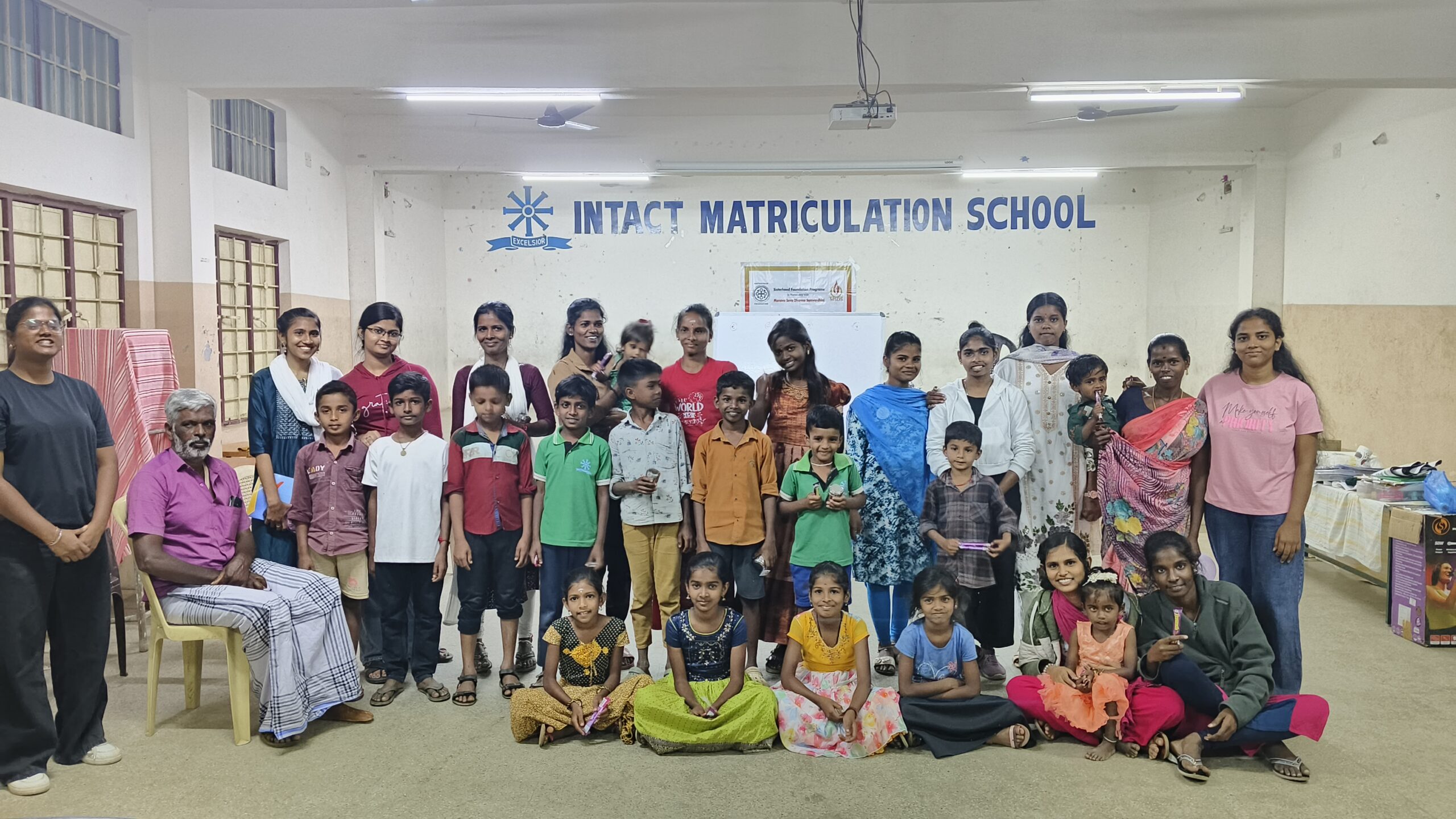
As part of the Sisterhood Leadership Programme, a 5-day residential leadership camp was conducted
from December 26–30, 2025, at Vellimalai, Kalrayan Hills, bringing together 46 adolescent girls from
Chennai and Virudhachalam. Designed as an immersive learning experience, the camp aimed to
nurture confidence, leadership, emotional awareness, and social consciousness among adolescent girls by blending classroom learning with community engagement and experiential activities.
What made the Sisterhood Leadership Camp truly unique was its approach. Unlike conventional
residential camps that focus only on internal sessions, this camp extended learning beyond the four walls by actively engaging with the local community. The girls did not just participate as learners—they became facilitators, listeners, observers, and collaborators, learning deeply from one another and from the environment around them.
Creating a Safe Space for Leadership and Self-Expression
From the very first day, the camp prioritised creating a safe, inclusive, and supportive environment. Through icebreakers, trust-building exercises, and group norms, participants felt encouraged to speak openly, share personal experiences, and support one another.
Interactive sessions on emotions, leadership, feminism, gender, and social issues helped girls articulate their thoughts, question norms, and recognise their own strengths. Peer-led discussions and group activities ensured that learning was not one-directional; students learned as much from each other’s lived experiences as from facilitators. This peer learning model strengthened empathy, active listening, and collective problem-solving skills.Learning Through Experience: Community and Nature Engagement
A defining feature of the camp was its strong emphasis on experiential learning.
Alampannai Farm Visit – Learning from Nature
The visit to Alampannai farm offered students a rare opportunity to reconnect with nature and understand sustainable living practices. Engaging with the natural environment encouraged reflection on food systems, ecology, and the relationship between humans and nature. For many participants, this was a first-time experience that fostered mindfulness, curiosity, and respect for natural resources.
Community Interaction and Happiness Hour
The Happiness Hour sessions with ASHA workers and local community members were particularly
impactful. Students interacted directly with women from the community, listening to their stories,
understanding grassroots health work, and recognising the realities of rural livelihoods. These interactions helped bridge the urban–rural divide and deepened the girls’ understanding of social responsibility, care work, and community leadership.
Rather than being passive observers, the girls actively engaged with the community—asking questions,
sharing reflections, and participating in activities. This mutual exchange of learning made the experience meaningful for both students and community members.
Creative Expression and Critical Thinking
Creative mediums were used extensively as tools for reflection and dialogue. Through theatre training,
group skits, role plays, and discussions allowed students to explore sensitive topics such as child marriage, gender roles, and inequality in a safe and expressive manner. Performing a skit on child marriage enabled participants to critically examine social norms and communicate powerful messages through storytelling.
A movie screening followed by a guided reflection helped students connect emotions, narratives, and
real-life experiences, strengthening their ability to analyse media and express personal viewpoints.
Living Together, Learning Together
Staying together for five days played a crucial role in building independence, collaboration, and
sisterhood. From sharing responsibilities to navigating differences, the residential setting encouraged
girls to step out of their comfort zones, build resilience, and form meaningful peer relationships.
Girls from different geographies and backgrounds learned to coexist, share knowledge, and support one another, reinforcing the programme’s belief that leadership is rooted in empathy, cooperation, and
collective growth.
Reflections and Lasting Impact
The camp concluded with a feedback and reflection session, where students shared their learnings,
personal growth, and memorable moments. A waterfall visit marked the closing of the camp, offering
space for celebration, bonding, and reflection.
By the end of the programme, participants demonstrated increased confidence, improved communication skills, heightened social awareness, and a stronger sense of identity and belonging. The Sisterhood Leadership Camp stood out as a holistic, immersive experience—one that went beyond traditional leadership training by integrating community engagement, peer learning, nature-based experiences, and emotional growth.
The camp reinforced the idea that leadership is not just about leading others, but about understanding
oneself, learning from communities, and growing together as a collective.


